

Why AI Can’t Replace Learning
AI may change how architects work, but it cannot replace the learning that happens through every project. Each client, challenge, and constraint brings something new—and that process of discovery remains essential to meaningful design.

Curiosity: The KPI That Shapes Human Progress
You have to be intellectually curious to achieve success in any pursuit. It is the critical KPI for humanity and the driving force for making our lives better. Being curious, encouraging curiosity in our children, our friends, our partners, our co-workers, our leaders, is the life-force engine driving all of us. Curiosity is one of the key ingredients that binds us together. Makes us who we are.

How AI Is Reshaping Architecture Through Information
There is a growing excitement around the influence of AI on architecture development and design. The anticipation is palpable, as many are optimistic that AI will live up to the high expectations set for its capabilities. While concrete evidence is still pending to fully demonstrate AI's potential for widespread integration, the possibilities for transforming sectors such as business, research, creativity, medicine, law, governance, and labor are immense.
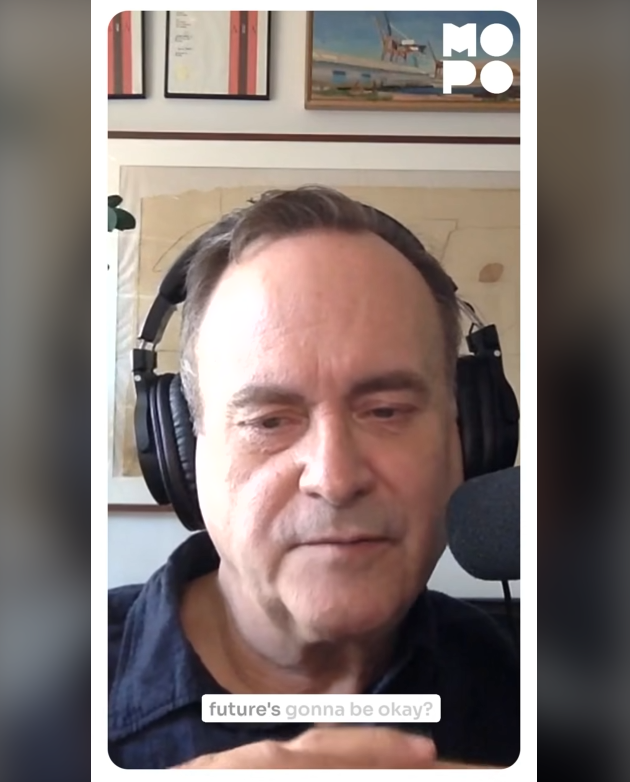
The Most Podern (Podcast)
Enjoyed my discussion with Alex and Libo on The Most Podern. Check out YouTube, Spotify, and Apple to hear more.
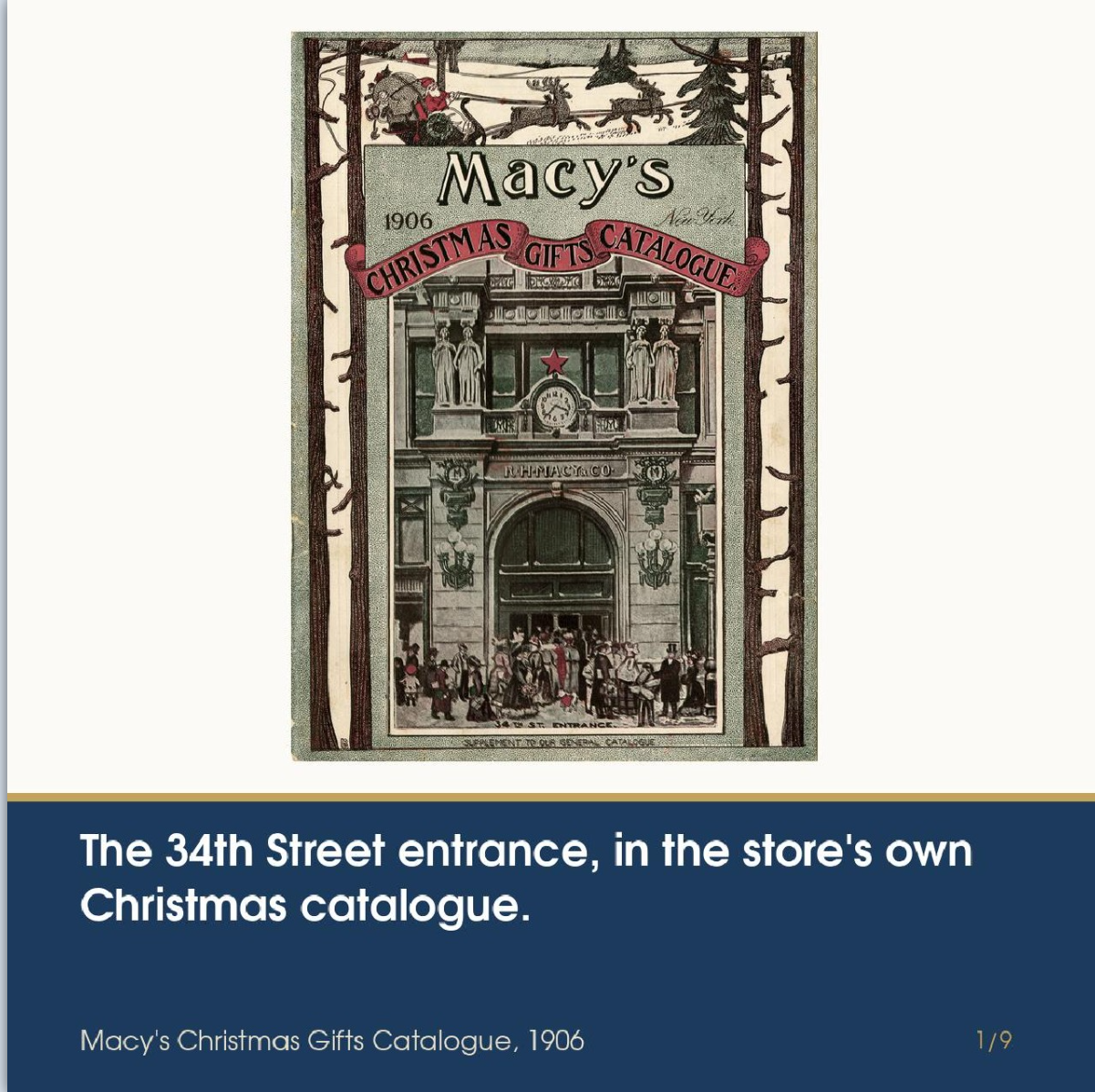
The Memorial Entrance
For half a century, one of New York's quietest memorials was hidden inside the world's largest store. In the late 1960s, Macy's sealed the Memorial Entrance on 34th Street — a marquee went up over the two-story granite arch, and an office was built inside the vestibule, walling the memorial plaques out of view. Generations of New Yorkers walked past without knowing they were there.
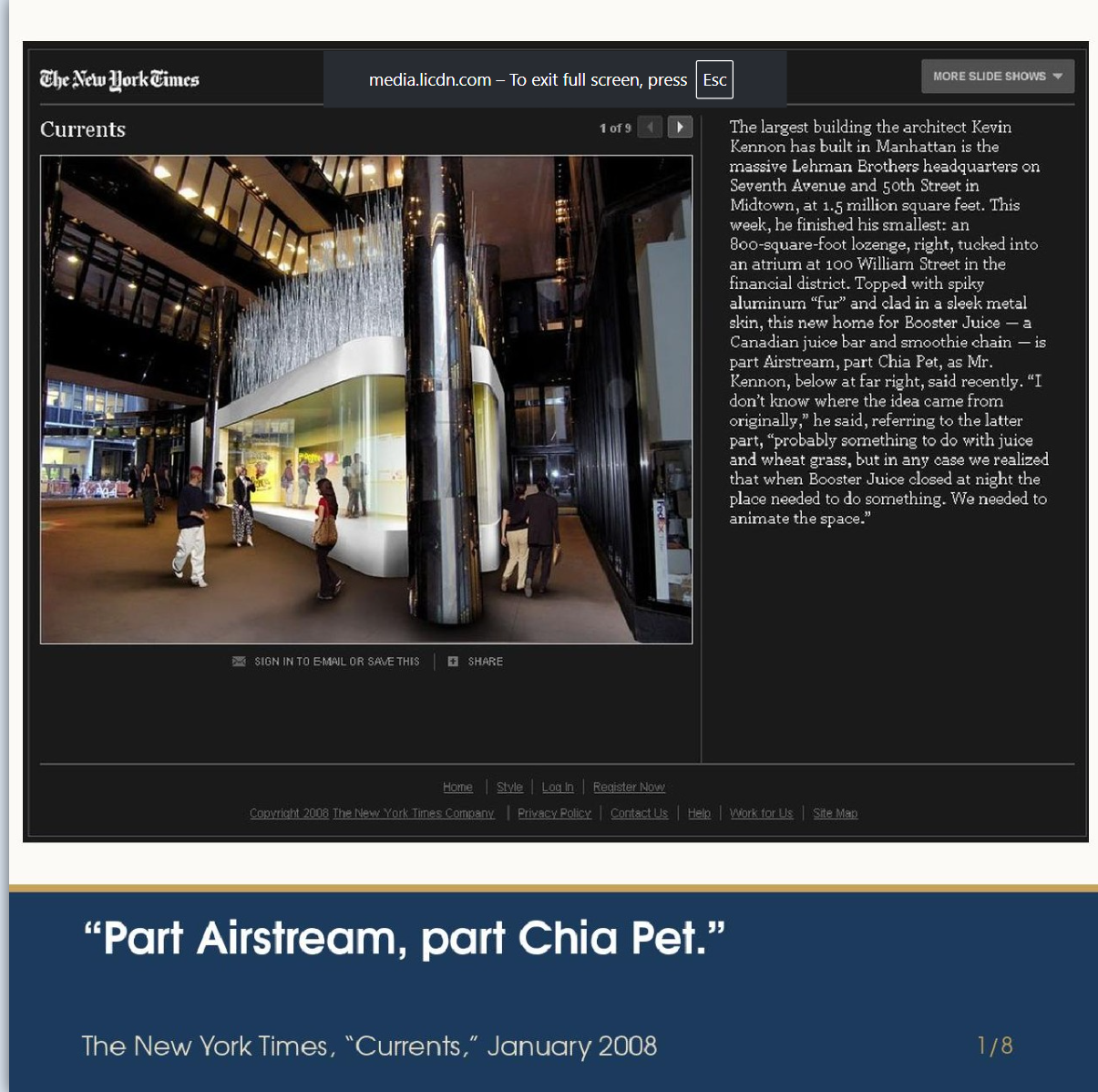
The Smallest Building of William Street
The largest building I have built in Manhattan is 2.5 million square feet. This is the story of the smallest — 800.
At 100 William Street in the Financial District, the bronze-glass tower that Davis, Brody & Associates completed in 1974 is bisected at its base by an eighty-foot-high arcade. The passage connects two streets and an entrance to the subway, and thousands of people cut through it every day. For years it was one of the darkest rooms in lower Manhattan.
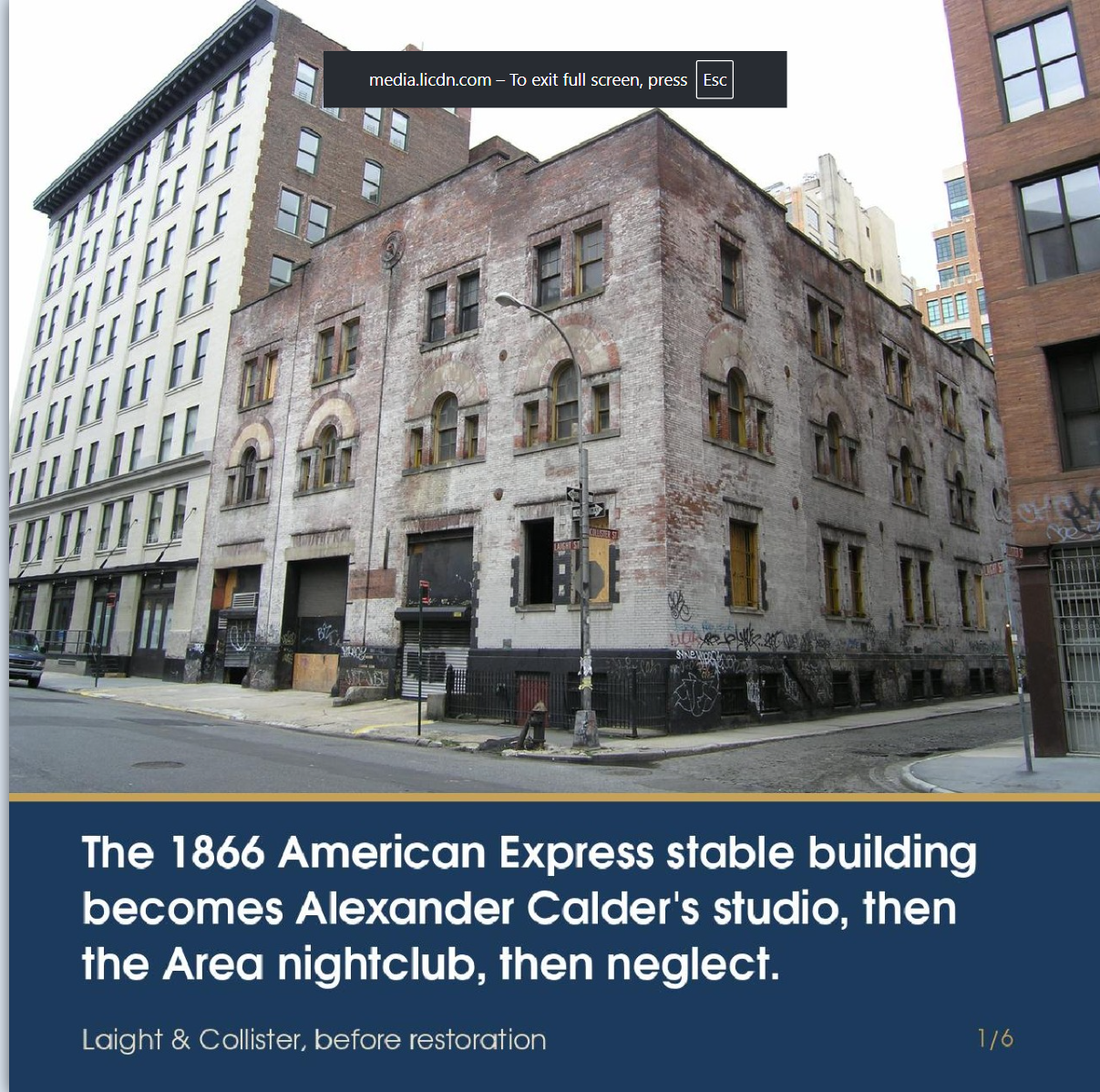
A Building’s Third Act
Every old building presents its architect with the same dilemma: what do you keep? At 60 Collister in Tribeca in 2006, the answer was in the brick.
Architecture Begins When the City Becomes Unknowable
Architecture Begins When the City Becomes Unknowable
Architecture is not building.